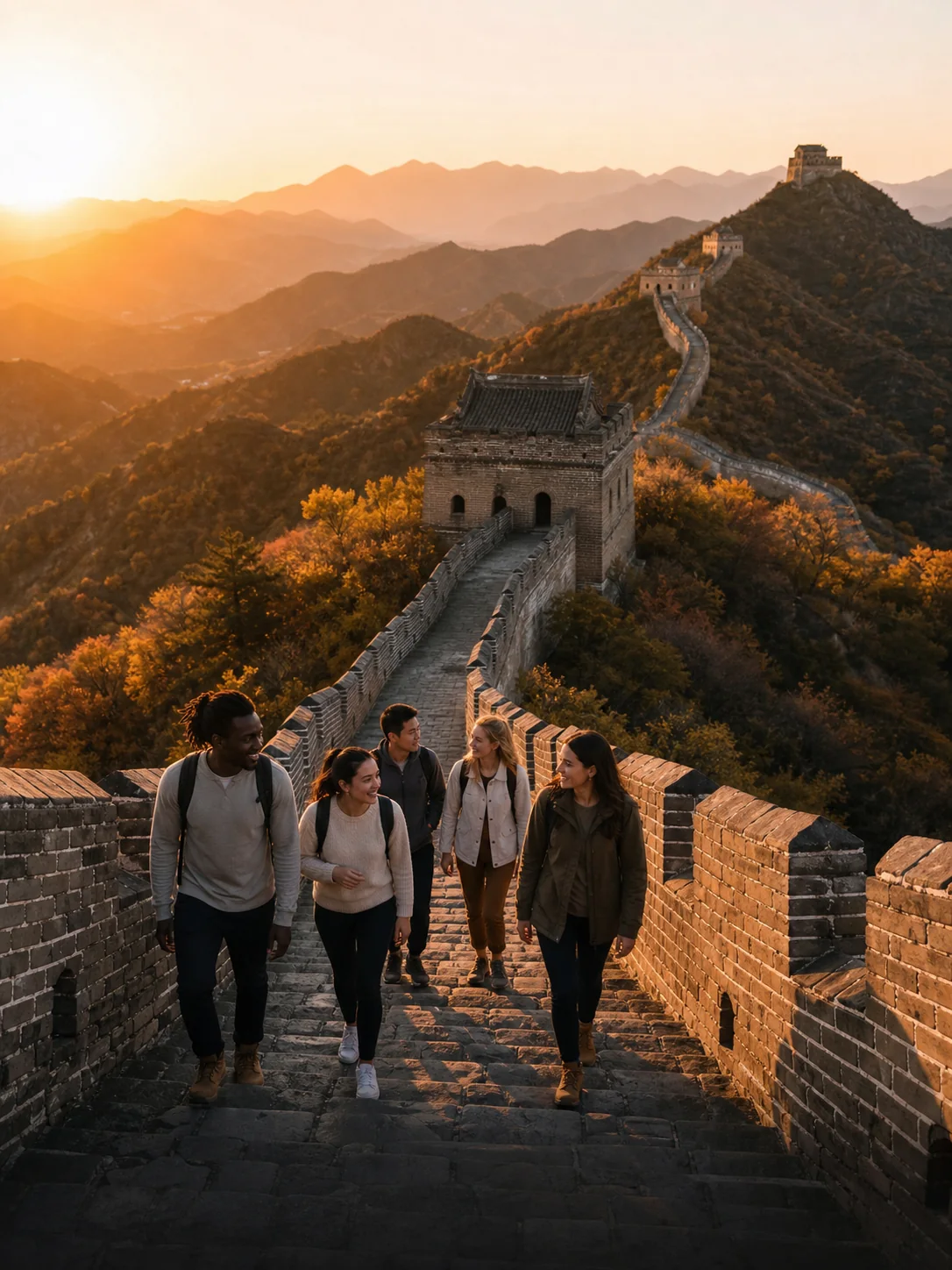
Beijing
Choose Beijing for China’s clearest imperial and national story, plus a dedicated Great Wall day.
- BEST FIT
- Imperial scale · Great Wall · first-time anchor
- PLAN
- 3–4 nights
- PACE
- Large sights and long transfers
A good first itinerary is not a checklist of famous cities. Pick places that give the trip contrast without turning every second day into luggage and transit.
Start with two anchors and one contrast. Add another city only when it creates a different experience worth the transfer day.
Suggested nights are planning ranges, not minimum-stay rules. Flight, rail, season, mobility and ticket availability can change the practical pace.

Choose Beijing for China’s clearest imperial and national story, plus a dedicated Great Wall day.

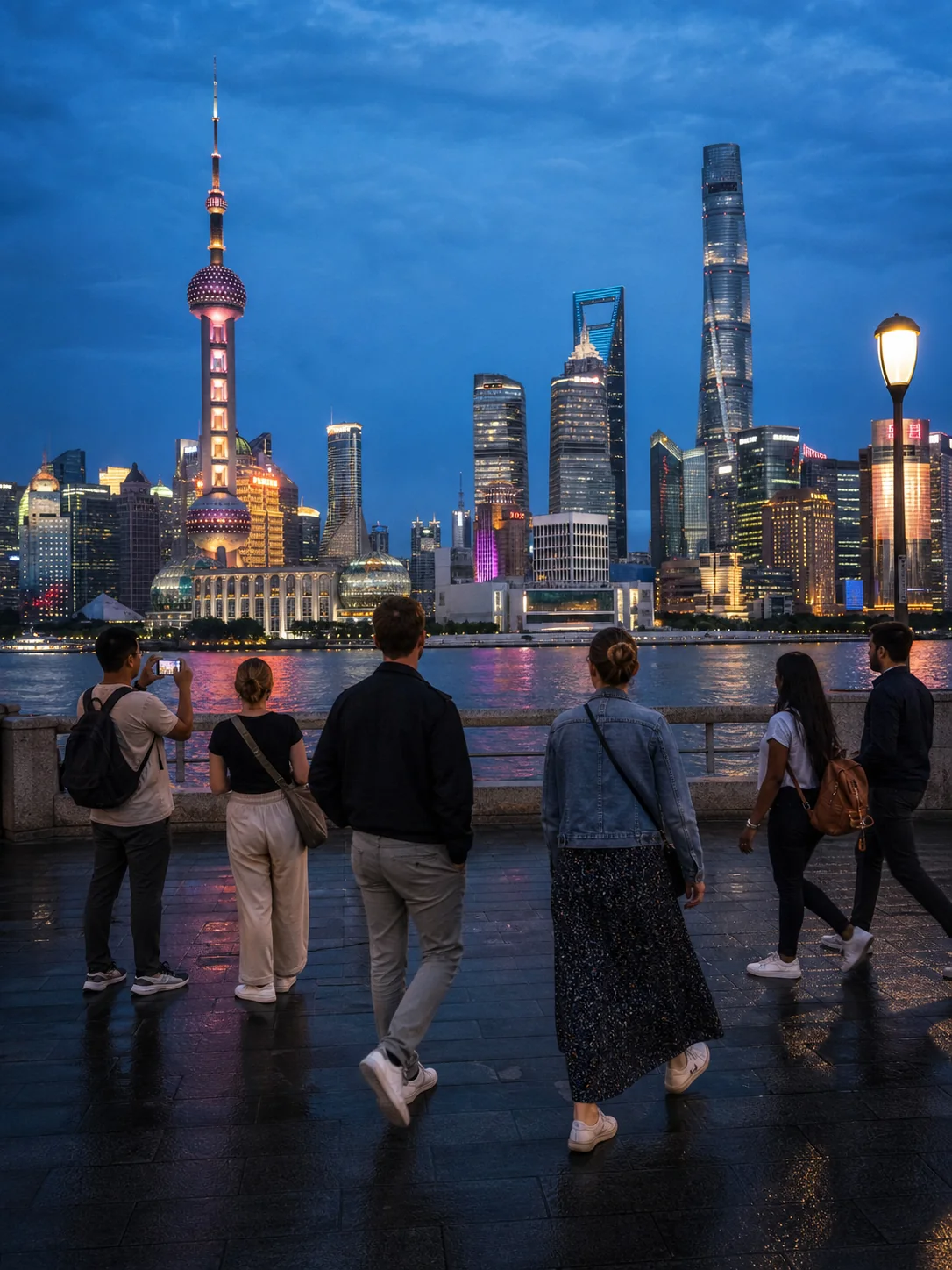
Choose Shanghai for riverfront modernity, historic streets and a strong arrival or departure gateway.

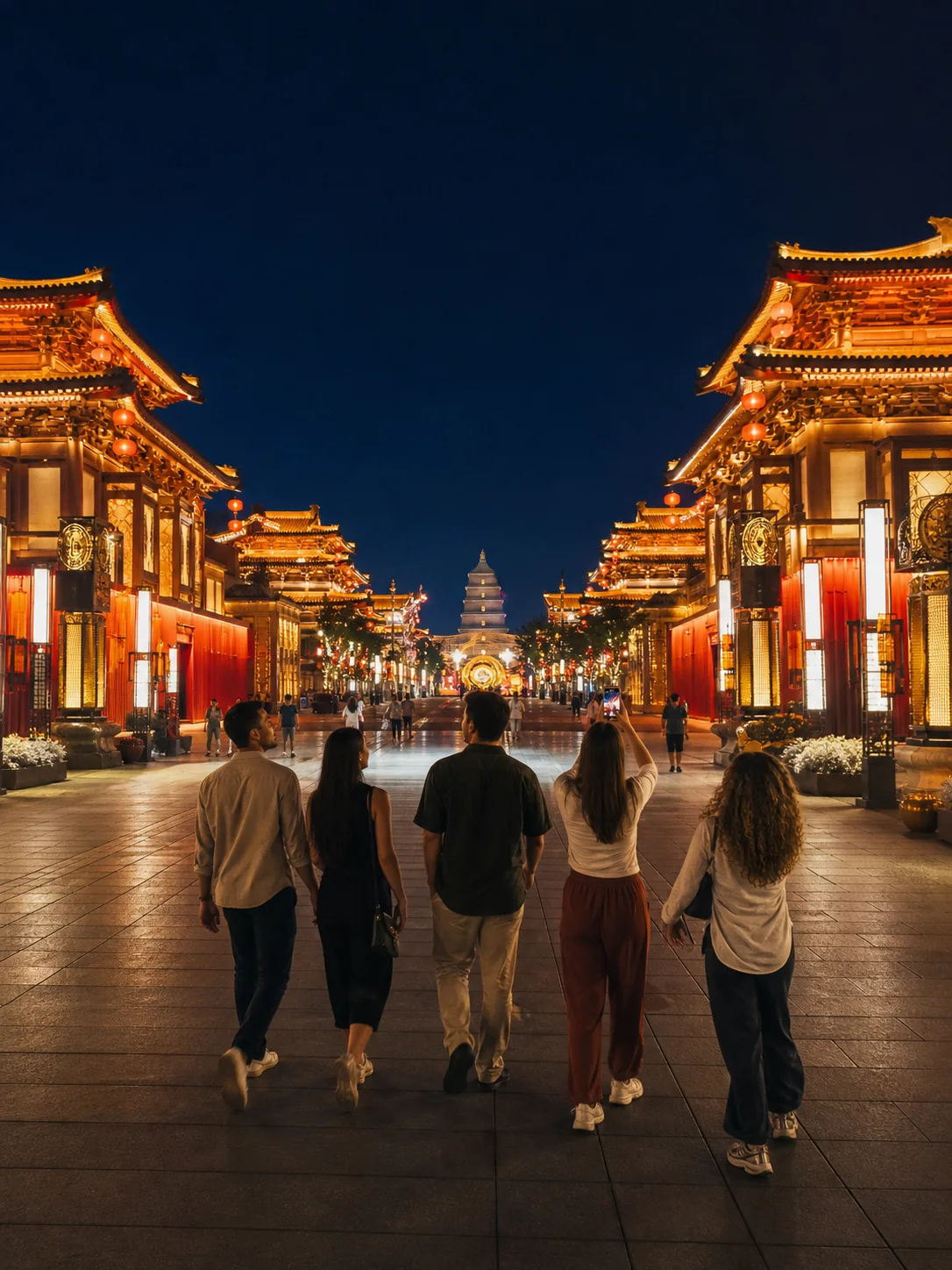
Choose Xi’an to connect the Terracotta Army and city-wall history with the spectacle of Grand Tang Mall after dark.

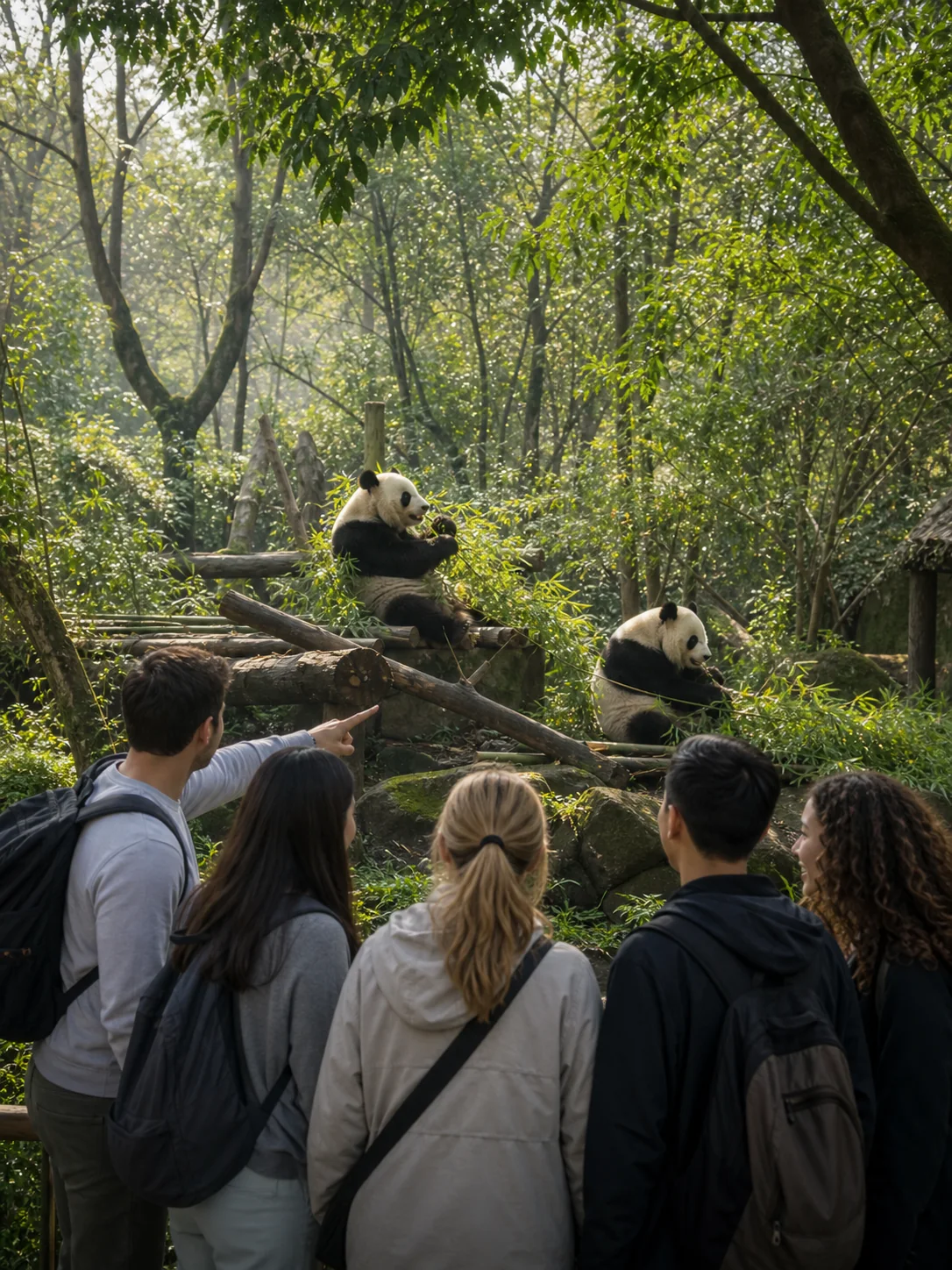
Choose Chengdu for a softer pace, Sichuan food and an early-morning panda visit.

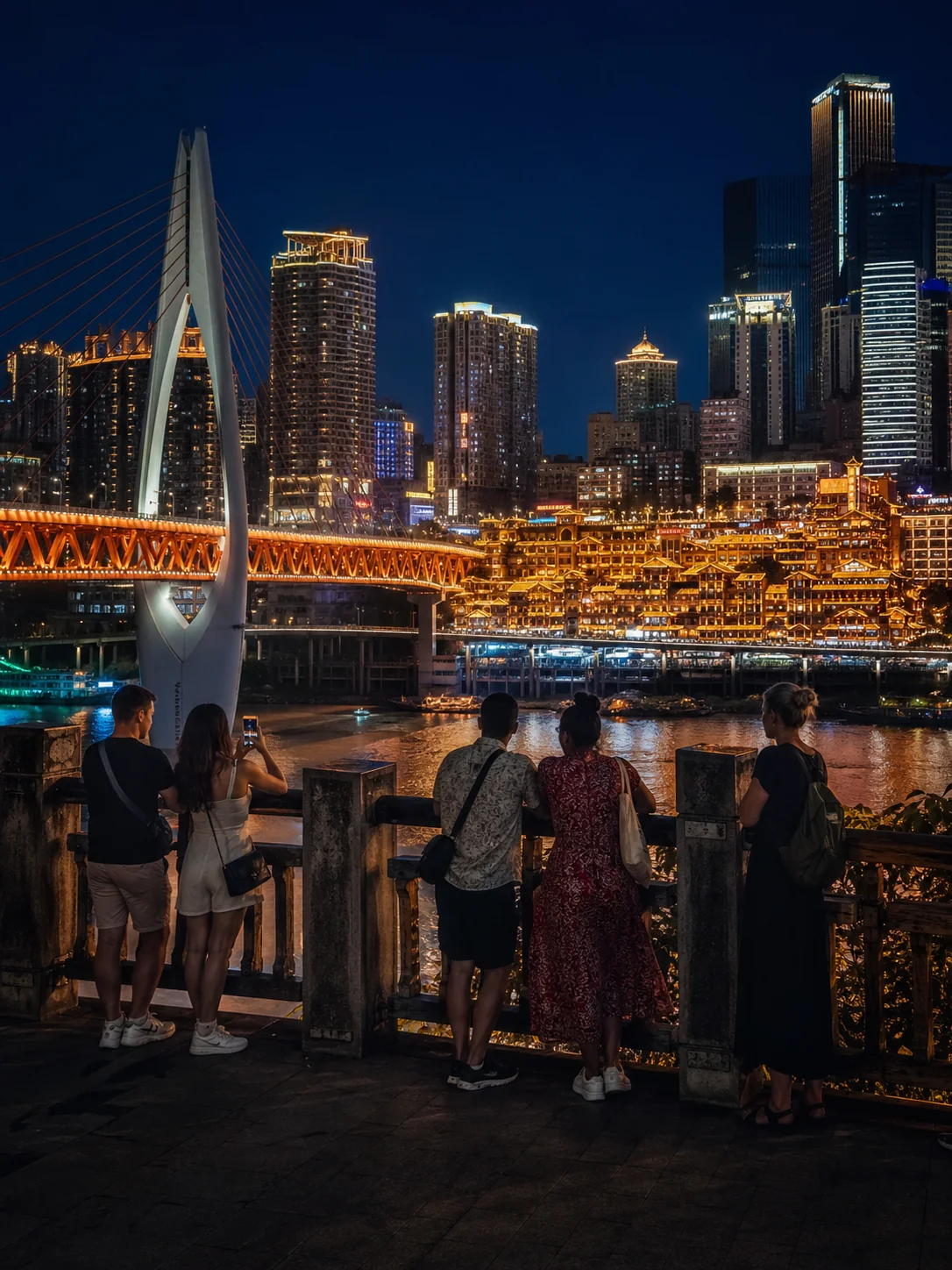
Choose Chongqing for urban spectacle: river crossings, steep levels and a city that becomes most legible after dark.

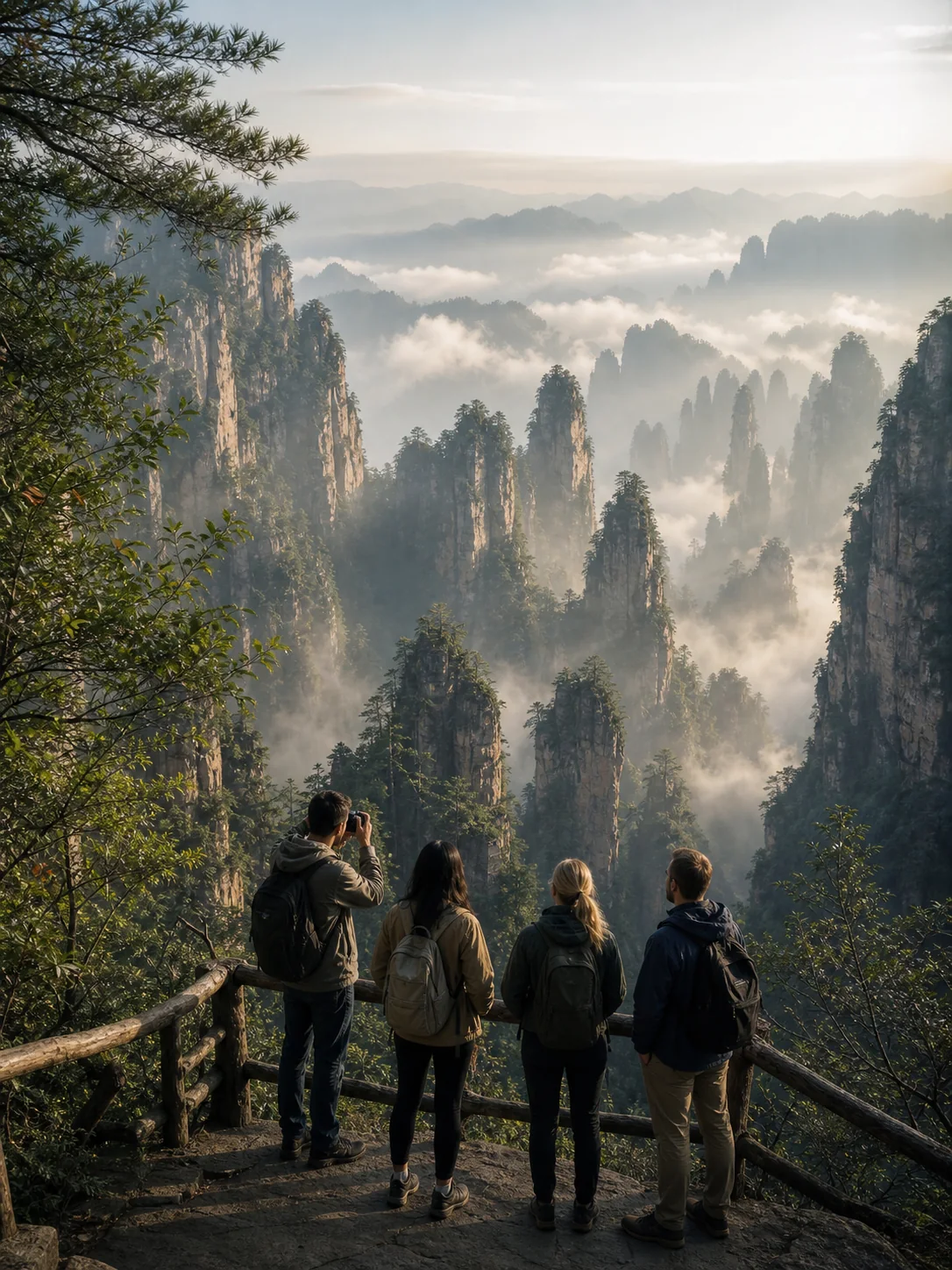
Choose Zhangjiajie when landscape is the trip’s purpose and you can protect time for weather, queues and park transfers.
AI-assisted destination scenes for inspiration. They do not represent live weather, lighting, crowd levels or route conditions.
All six cities now have a complete popular-attraction directory. Every guide separates verified history from legend, then adds named people, route choices, public transport, the exact Chinese taxi pin, nearby stay areas, food and live-condition checks.
Rooms, emperors and the human lives behind the central axis.
READ THE COMPLETE STORY →02 · MING FRONTIERDo not read it as a wall. Read it as a staffed mountain defence system.
READ THE COMPLETE STORY →03 · IMPERIAL RITUALThis was not a temple for ordinary worship. It was a stage where the emperor answered to Heaven.
READ THE COMPLETE STORY →04 · QING IMPERIAL GARDENRead the lake as political theatre, not just a beautiful park.
READ THE COMPLETE STORY →05 · CENTRAL AXIS VIEWPOINTThe best city view is also the final piece of the palace plan.
READ THE COMPLETE STORY →06 · TIBETAN BUDDHIST TEMPLEA prince’s residence became Beijing’s most important Tibetan Buddhist monastery.
READ THE COMPLETE STORY →07 · HUTONG LANDSCAPERead old Beijing through water, timekeeping and lived alleys.
READ THE COMPLETE STORY →08 · IMPERIAL LAKE GARDENA thousand years of imperial garden-making gathered around one lake and one white stupa.
READ THE COMPLETE STORY →One river view contains two different ideas of modern Shanghai.
READ THE COMPLETE STORY →02 · HISTORIC URBAN DISTRICTThe story is not “European Shanghai.” It is how global systems became local streets.
READ THE COMPLETE STORY →03 · REFORM-ERA FINANCIAL DISTRICTCross the river to understand how Shanghai turned development into a skyline.
READ THE COMPLETE STORY →04 · MING GARDENPass through the crowded market to find a private garden built as a world in miniature.
READ THE COMPLETE STORY →05 · CHINESE ART MUSEUMUse objects—not dynastic slogans—to build a visual history of China.
READ THE COMPLETE STORY →06 · JIANGNAN WATER TOWNThe bridges matter because water once organised work, trade and home.
READ THE COMPLETE STORY →07 · CHAN BUDDHIST TEMPLEA living monastery shaped by migration, modern Shanghai and two Burmese jade images.
READ THE COMPLETE STORY →08 · BUDDHIST TEMPLEShanghai’s modern skyline has an older sacred counterpoint.
READ THE COMPLETE STORY →This is not a room of statues. It is one sector of an emperor’s underground state.
READ THE COMPLETE STORY →02 · MODERN XI’ANA modern city performing its memory of Tang Chang’an.
READ THE COMPLETE STORY →03 · MING DEFENCEThe wall is not only a circle to cycle. It is the clearest diagram of how the old city controlled movement.
READ THE COMPLETE STORY →04 · MING LANDMARKSMove from official timekeeping into a living Hui Muslim neighbourhood.
READ THE COMPLETE STORY →05 · ARCHAEOLOGY MUSEUMThe museum explains why Xi’an was more than one dynasty and one army.
READ THE COMPLETE STORY →06 · ROYAL SPRINGSOne hot-spring landscape holds both Tang romance and a twentieth-century political crisis.
READ THE COMPLETE STORY →07 · TANG PALACE ARCHAEOLOGYThe empty foundations are the story: scale survives even when palaces do not.
READ THE COMPLETE STORY →08 · TANG BUDDHISMA quieter pagoda shows how Buddhism, earthquakes and urban memory endure together.
READ THE COMPLETE STORY →A 2,200-year-old machine that works by guiding water rather than stopping it.
READ THE COMPLETE STORY →02 · THREE KINGDOMSThe shrine remembers a defeated kingdom through the people later generations chose to admire.
READ THE COMPLETE STORY →03 · CONSERVATIONCome for pandas, but understand the institution behind the encounter.
READ THE COMPLETE STORY →04 · PUBLIC LIFEChengdu’s famous slowness is a social practice, not a marketing slogan.
READ THE COMPLETE STORY →05 · TAOIST SACRED MOUNTAINA forested mountain became one of Daoism’s foundational landscapes.
READ THE COMPLETE STORY →06 · ANCIENT SHU ARCHAEOLOGYLong before pandas and teahouses, Chengdu held an extraordinary bronze-age ritual centre.
READ THE COMPLETE STORY →07 · POETRYThe house is reconstructed; the exile, poems and Chengdu landscape are real.
READ THE COMPLETE STORY →08 · ANCIENT SHU CIVILISATIONThe bronze faces are startling because they belong to a sophisticated world outside the old textbook centre.
READ THE COMPLETE STORY →Eleven floors reveal why Chongqing cannot be understood on a flat map.
READ THE COMPLETE STORY →02 · SONG-DYNASTY ROCK ARTThe cliffs teach philosophy through parents, farmers, animals, suffering and compassion.
READ THE COMPLETE STORY →03 · VERTICAL URBANISMThe train-through-building view makes sense only after you understand the slope.
READ THE COMPLETE STORY →04 · CITY CENTREA shopping centre grew around one of China’s most visible war-memory monuments.
READ THE COMPLETE STORY →05 · URBAN TRANSITThe famous view began as practical public transport across a difficult river city.
READ THE COMPLETE STORY →06 · RIVER PORTBehind the snack street is a port town shaped by porcelain, coal, temples and river trade.
READ THE COMPLETE STORY →07 · WORLD HERITAGE KARSTNatural bridges and giant sinkholes record the hidden work of water inside limestone.
READ THE COMPLETE STORY →08 · REGIONAL HISTORYUse one square to connect river civilisation, wartime Chongqing and the modern municipality.
READ THE COMPLETE STORY →Three thousand pillars are only the beginning; the real skill is knowing which landscape you are in.
READ THE COMPLETE STORY →02 · NATURAL ARCHThis is a mountain above the city—not another entrance to Wulingyuan.
READ THE COMPLETE STORY →03 · CANYONSeparate the canyon’s geology from the modern structure that made it famous.
READ THE COMPLETE STORY →04 · MOUNTAIN LAKEA calm water day reveals a different scale of Zhangjiajie.
READ THE COMPLETE STORY →05 · KARST CAVEBelow the sandstone-peak landscape lies a different world made by limestone and water.
READ THE COMPLETE STORY →06 · CULTURAL INTERPRETATIONUse the park as an introduction to Tujia architecture and performance—not as a complete village reality.
READ THE COMPLETE STORY →Imperial scale against contemporary waterfront energy.
China’s most legible first-time arc when the trip can absorb two major transfers.
Two southwest cities with different rhythms and strong evening identity.
High contrast, but only with enough buffer for the longer transport handoff.
It creates a one-night stay after a long transfer.
Its main experience duplicates another stop.
The route depends on a same-day connection you cannot afford to miss.
You have not protected time for the Great Wall, pandas, mountains or another weather/queue-sensitive anchor.
Build the trip around full experience days, then add transfer and recovery time explicitly.